Orange Cove

treated water more suitable for agricultural crops use, utilize this recycled supply, modified to more broadly distribute and more effectively utilize the wastewater treatment plant's effluent.

treated water more suitable for agricultural crops use, utilize this recycled supply, modified to more broadly distribute and more effectively utilize the wastewater treatment plant's effluent.

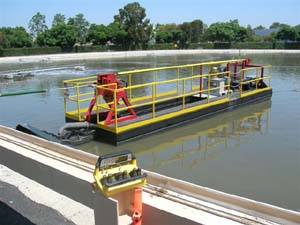
The City of Orange Cove is looking toward revamping / upgrading its wastewater treatment facility such that its treated water would be more suitable for use on agricultural crops within the Orange Cove Irrigation District which generally surrounds the City.

For the District’s landowners to be able to utilize this recycled supply, the District’s distribution system would need to be modified to more broadly distribute and therefore more effectively utilize the wastewater treatment plant’s effluent.

More information
http://www.apg-neuros.com/en/case-studies.aspx?ID=12

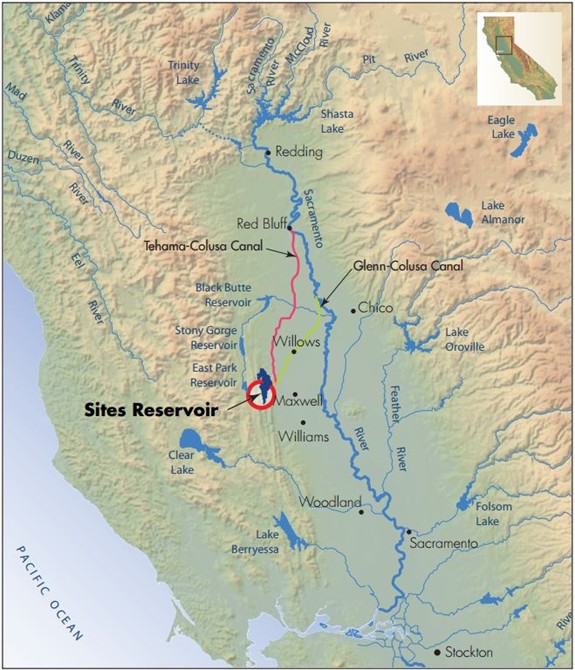
Sites Reservoir

water supply reliability, water quality, reduced water treatment costs, Ecosystem restoration

water supply reliability, water quality, reduced water treatment costs, Ecosystem restoration

Identified by the State of California and the federal government as an important component of integrated water management in the Sacramento Valley that could advance the long-term co-equal objectives of improving water management and restoring ecological health for beneficial uses of the Sacramento-San Joaquin Delta and the Sacramento River watershed.

Further benefits include:

  • Water supply reliability
  • Water quality (reduced water treatment costs)
  • Ecosystem restoration (anadromous fish/other aquatic species as well as terrestrial habitat e.g. Yolo Bypass)

More information
http://www.water.ca.gov/storage/northdelta/index.cfm
http://www.water.ca.gov/storage/docs/NODOS%20Project%20Docs/nodos_map_fact_sheet_7-2011(2).pdf

FAQs About Proposition One

Can we afford it?
How can we be sure the money will be well spent for what’s been promised?
How were the priorities for funding chosen?
Will the interests of rural and Northern California communities be protected?
How does the Delta benefit from Proposition One?
What will Proposition One do to help California prepare for climate change?
Which new dams will be built if Proposition One passes?

Continue reading

August 5, 2014 Drought Fact Sheet

2014 California Drought Fact Sheet

California Needs to Modernize its Water Infrastructure to Grow, Not Shrink, our Agricultural Output. California’s agricultural industry provides jobs and economic activity and plays a crucial role in global food production. But this position is at risk due to the drought and unreliable water infrastructure.

Continue reading

Strawberries

[audio src="/Content/FarmWaterMinute/Strawberries.mp3"]
Strawberries are among the top 5 fruits eaten in the U.S. and California produces more than 88% of the strawberries grown in the country! Strawberries thrive in the moderate climate of California’s coastal regions, but they can also be grown inland too! California produces more than 2 billion pounds of strawberries every year!

Continue reading

Alfalfa

alfalfa

[audio src="/Content/FarmWaterMinute/Alfalfa.mp3"]
California is an important producer of milk and dairy products, and alfalfa is a critical part of a cow’s diet! Alfalfa is a perennial crop, meaning that once planted, farmers can harvest it several times for a number of years.

Continue reading

Broccoli

broccoli

[audio src="/Content/FarmWaterMinute/Broccoli.mp3"]
California produces 90% of the nation’s broccoli every year!

Continue reading

Cotton

cotton

[audio src="/Content/FarmWaterMinute/Cotton.mp3"] Cotton is grown in 11 counties in California, from as far north as Glenn County, north of Sacramento, to Imperial County along the Mexican border.

Continue reading